What Is Inpatient Drug Rehab and How Does It Work
Tru Addiction Health Staff
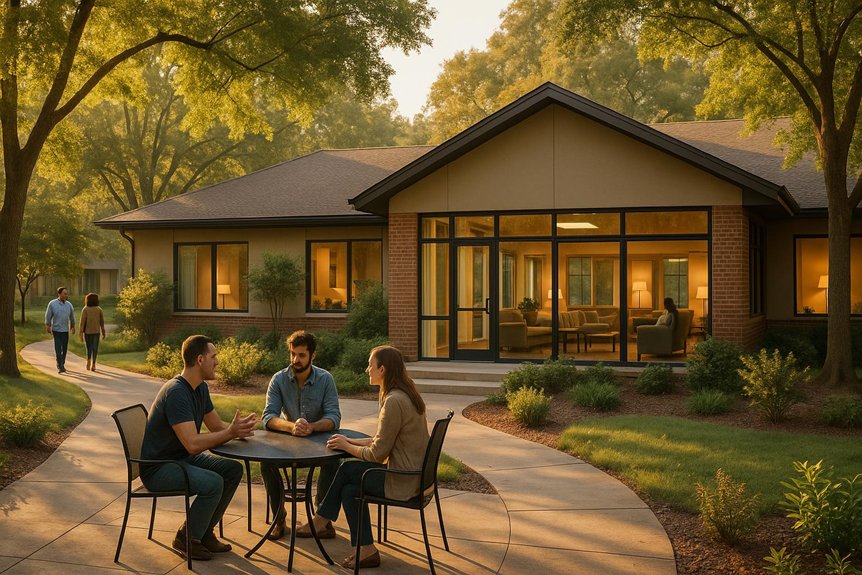
Inpatient drug rehab is a focused treatment program where you live at a facility dedicated to your recovery from addiction. This structured environment eliminates distractions and provides constant professional support. You'll engage in individualized care and evidence-based therapies like cognitive behavioral therapy and group counseling. These interventions help you tackle triggers and underlying issues, greatly boosting your chances of lasting sobriety. Curious about how this immersive approach truly makes a difference?
What Is Inpatient Drug Rehab?
When considering options for overcoming substance addiction, you might explore inpatient drug rehab, which offers a structured and immersive treatment environment.
Inpatient rehab provides a safe space where you can focus entirely on your addiction recovery without external distractions. This type of program typically involves living at the facility for a set period, allowing for thorough care and support.
A safe space to focus on recovery, free from distractions, with comprehensive care and support at the facility.
You'll have access to a range of treatment options, including therapy sessions, medical supervision, and wellness activities.
These evidence-based interventions aim to address both the physical and psychological aspects of addiction, helping you build a solid foundation for long-term recovery.
Compassionate professionals guide you through personalized plans, ensuring you receive the necessary support at every stage of your journey toward healing and sobriety.
How Inpatient Rehab Stands Out From Other Options
Inpatient drug rehab offers unique advantages that set it apart from other treatment options. You’ll find a structured environment that minimizes distractions and provides constant support, which isn’t typically available in outpatient alternatives. This immersive approach helps address complex addiction issues more effectively.
Rehab comparisons show that inpatient care often leads to higher success rates due to its thorough nature. You’re surrounded by healthcare professionals who can offer immediate intervention if needed.
This setting allows for intensive therapy sessions that explore deeper into underlying issues. Unlike outpatient alternatives, inpatient rehab provides a focused atmosphere free from external influences, helping you to concentrate entirely on recovery.
The continuous care and community support create a foundation that’s essential for lasting change.
Top Benefits of Inpatient Rehab
While considering the best path for recovery, it’s important to recognize the top benefits of inpatient rehab. One significant advantage is the provision of individualized care. Inpatient programs tailor treatment plans to fit your unique needs, ensuring you receive focused attention and support. This personalized approach enhances your chances of successful recovery by addressing specific triggers and underlying issues.
Moreover, inpatient rehab excels in relapse prevention. The structured environment minimizes exposure to risky situations, offering a safe space to heal and develop coping strategies.
Constant access to professional support and therapy helps you build resilience against cravings and setbacks. By immersing yourself in this thorough setting, you’re more likely to achieve lasting sobriety and regain control of your life.
Daily Life in Inpatient Rehab
In inpatient rehab, you'll find a structured daily schedule that provides stability and routine, which is essential for recovery.
Therapeutic activities, such as group therapy and individual counseling, help address the underlying issues of addiction.
You'll also become part of a supportive community environment that fosters connection and healing.
Structured Daily Schedule
A structured daily schedule forms the backbone of inpatient rehab, ensuring that each day is purposeful and supportive of recovery. You’ll find that a structured routine helps maintain focus and reduces anxiety. Each day is filled with carefully planned daily activities that nurture stability and promote healing.
Ready to Find Treatment? We Can Help.
Our treatment specialists can help you find the right inpatient drug or alcohol rehab program. Free, confidential, 24/7.
Get Help Today: (866) 469-0954Here's a typical daily schedule:
| Time | Activity |
|---|---|
| 7:00 AM | Wake up & Meditation |
| 8:00 AM | Breakfast |
| 9:00 AM | Group Counseling |
| 12:00 PM | Lunch |
| 1:00 PM | Personal Reflection |
This structure helps you develop healthy habits and fosters a sense of accomplishment. Evidence shows that a consistent routine can greatly enhance long-term recovery outcomes by providing a supportive, predictable environment. You'll experience care and understanding every step of the way.
Therapeutic Activities Offered
Though the structured daily schedule lays the foundation for your recovery, the therapeutic activities offered within inpatient rehab enrich your healing journey.
These activities provide a holistic approach, fostering growth and resilience. You’ll find opportunities for creative expression through art therapy, tapping into emotions and insights.
Explore the benefits of mindfulness practices to cultivate awareness and reduce stress. Engage in experiential learning that enhances life skills essential for lasting recovery.
The fitness programs promote physical health, while outdoor activities connect you with nature, invigorating your spirit.
Therapeutic Activities Include:
- Art Therapy: Discover emotions and insights.
- Mindfulness Practices: Cultivate awareness.
- Experiential Learning: Enhance essential life skills.
- Fitness Programs: Boost physical health.
These activities support a thorough recovery path.
Supportive Community Environment
While therapeutic activities enrich your healing journey, the supportive community environment in inpatient rehab plays a vital role in fostering recovery. You’ll find that building supportive relationships is essential.
Research shows that connections with peers who understand your struggles can greatly enhance your resilience and motivation. These relationships provide a network of encouragement and shared experiences, fundamental for long-term recovery.
Community engagement activities, like group therapy and communal living, offer structured opportunities to connect with others. Engaging in daily routines with your peers helps you develop communication skills and a sense of belonging.
This supportive framework not only aids in immediate recovery but also equips you with tools to maintain sobriety post-rehab. Embrace this community; it’s a cornerstone of your healing process.
What Therapies Will You Experience?
In inpatient drug rehab, you'll engage in therapies like Cognitive Behavioral Therapy (CBT) and group counseling sessions.
CBT helps you identify and change harmful thought patterns, while group counseling provides support and shared experiences with others on similar journeys.
Both are evidence-based approaches designed to foster recovery and personal growth.
Cognitive Behavioral Therapy
- Recognize Destructive Thoughts: Understand how negative thinking patterns fuel addiction.
- Develop Coping Strategies: Build practical skills to handle triggers and stressors.
- Enhance Self-Awareness: Gain insight into your thought processes and emotional responses.
- Foster Positive Change: Replace harmful habits with healthier behaviors.
This therapy empowers you to break free from addiction's grip by transforming your internal dialogue and creating sustainable recovery paths.
Through CBT, you’ll find new ways to navigate life’s challenges with resilience and hope.
Group Counseling Sessions
As you engage in group counseling sessions, you'll experience the power of shared experiences and collective healing. These sessions focus on support group dynamics, allowing you to connect with others who understand your journey. You'll find a safe space to express yourself, while learning essential skills like conflict resolution. Evidence shows that these interactions foster empathy and reduce feelings of isolation.
Here's a glimpse of what you might encounter:
| Session Type | Focus Area | Outcome |
|---|---|---|
| Open Discussion | Shared Experiences | Emotional Release |
| Skill Building | Conflict Resolution | Improved Communication |
| Role Playing | Real-life Scenarios | Practical Application |
| Feedback Round | Peer Support | Enhanced Insight |
| Guided Meditation | Mindfulness | Stress Reduction |
These sessions are designed to empower and support your recovery journey.
Medical Support: A Pillar of Recovery
While beginning the journey to recovery, medical support becomes a cornerstone of the process, ensuring safety and efficacy. Under medical supervision, you’re provided with personalized recovery plans tailored to your needs.
Here’s why it’s so essential:
- Safety: Medical supervision manages withdrawal symptoms, reducing risks and ensuring your well-being.
- Expert Guidance: Skilled professionals craft recovery plans that adapt to your progress, offering continuous support.
- Emotional Stability: Medical staff provide not just physical care but also emotional reassurance during challenging times.
- Long-term Success: Evidence-based treatments increase the likelihood of sustained recovery, giving you hope for a healthier future.
Group Therapy's Role in Healing
Group therapy serves as an essential component in the healing process, fostering connection and understanding among individuals facing similar challenges. You’ll find that sharing experiences in a group setting enhances group dynamics, allowing you to build therapeutic alliances. These alliances create a supportive environment where you can openly discuss struggles and triumphs.
Research shows that group therapy helps you develop empathy and learn from others’ experiences. The shared journey promotes accountability and resilience.
| Benefit | Description | Outcome |
|---|---|---|
| Connection | Builds relationships with peers | Strengthens support network |
| Understanding | Shares personal stories and insights | Increases empathy and insight |
| Accountability | Encourages mutual responsibility | Promotes sustained commitment |
Engaging in group therapy provides a crucial foundation for personal growth, enhancing your recovery journey.
Growth-Enhancing Activities
Engaging in growth-enhancing activities can considerably support your recovery journey, enriching your personal development and fostering a sense of purpose.
These activities encourage a holistic approach to healing, integrating both mind and body. By embracing mindfulness practices, you can cultivate awareness and emotional regulation, essential components in maintaining sobriety.
Creative expression offers a therapeutic outlet, allowing you to explore feelings and experiences constructively.
Consider these activities:
- Mindfulness Meditation: Practice being present, reducing stress and anxiety.
- Art Therapy: Use creative expression to process emotions and discover insights.
- Yoga: Combine physical movement with mindfulness to enhance overall well-being.
- Journaling: Reflect on your thoughts and progress, building self-awareness.
These practices can empower you, fostering resilience and a renewed sense of purpose.
Is Inpatient Rehab the Right Choice for You?
Exploring growth-enhancing activities can lay a strong foundation for your recovery, but choosing the right environment is equally essential.
Inpatient rehab offers a structured setting, vital for those with high personal motivation and treatment readiness. Are you ready to commit fully to a recovery journey? If so, inpatient rehab might be the right choice. It provides 24/7 support, helping you focus solely on healing without external distractions.
Consider your current circumstances: are you struggling with severe addiction or lacking a supportive home environment? Inpatient rehab can address these challenges effectively.
It's important to evaluate your willingness to embrace intensive treatment and follow a structured routine. If you’re prepared for this commitment, inpatient rehab can be a transformative step toward lasting recovery.