Medication Assisted Treatment in Inpatient Rehab: Suboxone Methadone and Vivitrol
Tru Addiction Health Staff
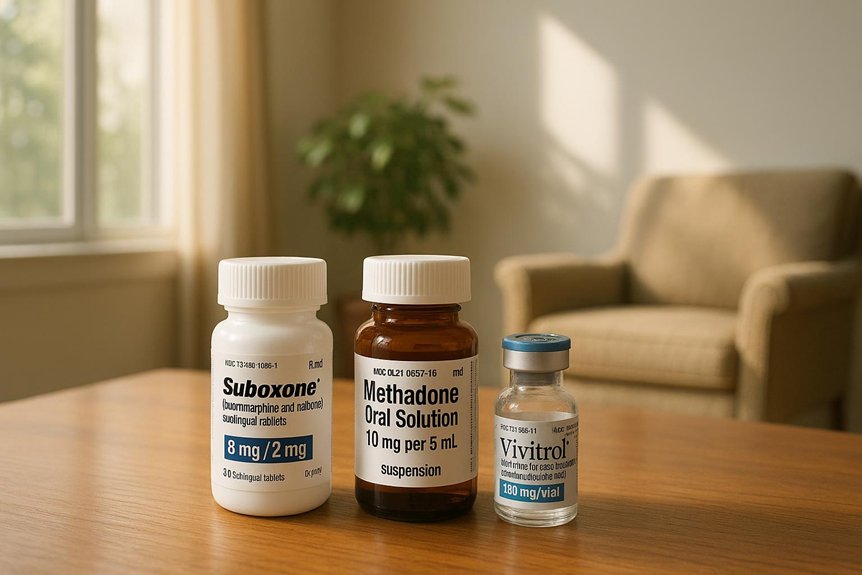
You’re exploring how Medication Assisted Treatment (MAT) transforms recovery in inpatient rehab with Suboxone, Methadone, and Vivitrol. These medications address cravings, withdrawal, and relapse, creating a supportive path to sobriety. By integrating behavioral therapies and involving families, MAT goes beyond traditional methods. But, how does each medication uniquely contribute to long-term recovery, and what misconceptions might you hold? There's much more to uncover in this innovative approach.
What Is Medication Assisted Treatment (MAT)?
Medication Assisted Treatment (MAT) combines medication with counseling and behavioral therapies to treat substance use disorders. You’ll find that MAT’s effectiveness hinges on its thorough approach, addressing both physical and psychological aspects.
Ensuring MAT accessibility is vital, as barriers can impede recovery. Integrating MAT within broader healthcare systems enhances support. However, maneuvering through MAT regulations can be complex, requiring you to stay informed about legal guidelines.
Understanding MAT challenges, such as stigma and limited resources, helps you advocate for better services. Positive MAT outcomes are linked to continuous support and personalized care.
Engaging in MAT education empowers you with knowledge to make informed decisions. As MAT innovations evolve, they offer new hope and improved strategies for recovery.
Understanding MAT in Rehab Settings
When you explore MAT in rehab settings, you'll discover how it seamlessly integrates into thorough treatment plans, addressing both withdrawal symptoms and cravings. MAT protocols are designed to enhance recovery dynamics by focusing on patient experiences and guaranteeing medication compliance.
You'll find that treatment adherence improves markedly when behavioral integration is prioritized alongside medication.
Support networks, including family involvement, play an essential role in strengthening clinical outcomes and fostering relapse prevention. By engaging families, rehab centers create a collaborative environment that bolsters recovery efforts.
Family involvement is crucial in enhancing clinical outcomes and preventing relapse by fostering a supportive, collaborative environment.
This holistic approach not only aids in stabilizing patients but also enhances their long-term resilience against relapse. Understanding these elements guarantees you're equipped with the knowledge to support effective, compassionate care in inpatient settings, leading to successful, sustained recovery.
Addressing Common Misconceptions About MAT
You might hear myths about Medication Assisted Treatment (MAT) suggesting it simply replaces one addiction with another, but evidence shows MAT is a vital part of recovery.
It’s important to understand that MAT, when combined with therapy, supports long-term recovery by stabilizing brain chemistry.
Trust in the research and know that MAT offers a compassionate path to a healthier life.
Debunking MAT Myths
Despite its proven effectiveness, Medication Assisted Treatment (MAT) often faces misconceptions that can hinder its acceptance and utilization. You might hear that MAT simply replaces one addiction with another, but evidence shows that MAT improves outcomes by reducing cravings and preventing relapse.
MAT stigma can create barriers to accessing these essential treatments, but it’s vital to remember that MAT success lies in its integration with thorough care.
Educating yourself about MAT is key to overcoming these challenges. Understand that MAT isn't a standalone solution but a part of a holistic recovery plan, supported by counseling and behavioral therapies.
MAT and Addiction Recovery
Understanding the role of Medication Assisted Treatment (MAT) in addiction recovery requires addressing common misconceptions that persist. You might think MAT replaces one addiction with another, but it’s an essential part of a thorough recovery plan.
Incorporating peer support and holistic approaches, MAT complements recovery coaching and family involvement. It's about more than just medication; it involves community resources and lifestyle changes that help identify relapse triggers and develop coping strategies.
Motivational interviewing guides you in setting personal goals and making informed choices. Aftercare planning guarantees continued support, reinforcing the tools you’ve learned.
How MAT Enhances Recovery in Inpatient Settings
You'll find that Medication Assisted Treatment (MAT) considerably enhances recovery in inpatient settings by effectively reducing withdrawal symptoms, making the initial stages of treatment more manageable.
This approach not only supports long-term sobriety by stabilizing brain chemistry but also enhances engagement in therapy, allowing you to focus on underlying issues without the constant battle against cravings.
Embracing MAT as part of a thorough treatment plan can lead to more successful, sustained recovery outcomes.
Reducing Withdrawal Symptoms Effectively
When you're facing the intimidating challenge of withdrawal during inpatient rehab, Medication Assisted Treatment (MAT) can be a game changer. Effective withdrawal management is essential, and MAT provides symptom relief, enhancing the detoxification process.
You'll experience increased patient comfort as medications like Suboxone, Methadone, and Vivitrol mitigate withdrawal symptoms, proving their medication efficacy. This approach guarantees your recovery journey begins on a solid foundation.
MAT is paired with emotional support and precise monitoring techniques, making sure you’re cared for every step of the way.
Supporting Long-Term Sobriety
While managing withdrawal symptoms is an essential initial step, sustaining long-term sobriety is the ultimate goal in inpatient rehab.
Medication-assisted treatment (MAT) supports recovery by integrating key strategies that address addiction prevention and lifestyle changes. You’ll find that involving family and connecting with community resources strengthen your support network.
Identifying relapse triggers and engaging in motivational interviewing are important components of your journey.
- Family involvement enhances emotional support and understanding.
- Community resources offer accessible tools and ongoing assistance.
- Peer support provides shared experiences and encouragement.
- Holistic approaches focus on mental, physical, and emotional well-being.
Enhancing Therapy Engagement
Even though the journey to recovery is challenging, medication-assisted treatment (MAT) considerably boosts therapy engagement in inpatient settings.
Ready to Find Treatment? We Can Help.
Our treatment specialists can help you find the right inpatient drug or alcohol rehab program. Free, confidential, 24/7.
Get Help Today: (866) 469-0954MAT enhances therapy motivation by stabilizing withdrawal symptoms, allowing you to focus on healing. Engagement strategies center on building emotional connections and fostering therapeutic alliances, which are essential in forming trust and openness with your care team.
You’ll find that patient empowerment is key, as MAT supports your ability to actively participate in your recovery journey. Group dynamics benefit as well, with MAT facilitating stronger peer interactions and shared experiences.
Individualized approaches guarantee that your unique needs are met, while robust support systems are in place to guide you. By integrating MAT, you’re better equipped to engage fully and effectively in therapy.
The Role of Suboxone in Opioid Addiction
Although overcoming opioid addiction is challenging, Suboxone plays a vital role in treatment. It's effective in reducing cravings and withdrawal symptoms, making recovery more manageable.
You’ll find that accessibility to Suboxone is increasing, but it’s essential to be aware of potential side effects and interactions. Education and counseling are important for understanding the appropriate dosage and managing any stigma associated with its use.
- Suboxone effectiveness: Proven to reduce cravings and withdrawal.
- Suboxone accessibility: Becoming more available in various settings.
- Suboxone side effects: Possible nausea, headaches, or insomnia.
- Suboxone support: Counseling enhances its success.
How Methadone Supports Long-term Recovery
Methadone plays a crucial role in supporting long-term recovery from opioid addiction by stabilizing brain chemistry and reducing withdrawal symptoms. Its effectiveness is evident in patient experiences, as it aids withdrawal management and fosters a therapeutic alliance. By integrating methadone into your recovery journey, you embrace long-term strategies that enhance medication compliance and treatment accessibility. Methadone helps reduce stigma, allowing for a more holistic approach to healing.
| Emotional Impact | Description |
|---|---|
| Hope | Stability in recovery journey |
| Relief | Effective withdrawal management |
| Empowerment | Accessible treatment options |
| Trust | Strong therapeutic alliance |
| Acceptance | Stigma reduction in healthcare |
Your commitment to methadone can transform recovery, paving the way for sustainable healing.
Vivitrol: A Non-addictive Relapse Solution
When considering medication-assisted treatment options, Vivitrol stands out as a non-addictive solution for preventing opioid and alcohol relapse.
Unlike other treatments, it doesn't create dependency, offering a clear path to recovery. Vivitrol administration involves a monthly injection, which simplifies the process and reduces the risk of misuse.
Vivitrol benefits are well-supported by research, showing significant reductions in relapse rates. You’ll find it particularly effective if you’re committed to long-term sobriety.
Here’s why Vivitrol might be the right choice for you:
- Non-addictive nature: Eliminates the concern of developing a new dependency.
- Convenient dosing: Monthly injections save you from daily medication routines.
- Proven efficacy: Strong evidence supports its role in reducing relapse.
- Dual-purpose: Effective for both opioid and alcohol use disorders.
Compassionate, evidence-based care can guide you toward successful recovery.
Comparing Suboxone, Methadone, and Vivitrol
While exploring medication-assisted treatments for addiction recovery, understanding the differences between Suboxone, Methadone, and Vivitrol is vital.
Suboxone offers benefits in withdrawal management and is often praised for its less addictive profile. Methadone, though effective, presents challenges such as higher dependency risk and stricter prescription guidelines.
Suboxone aids withdrawal with less addiction risk; Methadone is effective but has higher dependency and strict guidelines.
Vivitrol, known for its effectiveness in preventing relapse, requires patients to be opioid-free before starting, which can be a hurdle.
Treatment comparisons reveal varied patient experiences; some find success with Suboxone's balance, others with Methadone's potency, or Vivitrol's non-addictive approach.
Considering long-term outcomes is significant, as each option supports recovery differently. By focusing on individual needs and circumstances, you can choose the treatment that aligns best with your recovery goals.
How to Integrate Behavioral Therapies With MAT
Integrating behavioral therapies with medication-assisted treatment (MAT) enhances recovery by addressing both the physical and psychological aspects of addiction.
You’ll find that behavioral integration is essential for effective treatment. Align therapy sessions with MAT to create a holistic approach that supports long-term recovery.
Here’s how you can achieve this:
- Assessment: Conduct thorough evaluations to determine the best therapy alignment for individual needs.
- Flexibility: Adapt behavioral therapies to work seamlessly with Suboxone, Methadone, or Vivitrol.
- Collaboration: Encourage open communication between therapists and medical providers to guarantee cohesive care.
- Education: Equip patients with knowledge about how behavioral strategies complement MAT.
Why Personalized Treatment Plans Are Crucial in MAT
Even though addiction treatment can seem complex, personalized treatment plans in medication-assisted treatment (MAT) are vital for success. You need personalized assessments to truly understand your unique needs.
By setting individualized goals, you can target specific challenges you face. Tailored interventions and customized therapies guarantee that the approach fits you, not the other way around.
Your involvement is essential, as adaptive strategies require your input and feedback. Dynamic approaches mean your plan evolves as you do, providing responsive care that meets changing circumstances.
This personalized path not only empowers you but also increases the likelihood of long-term recovery. It’s about creating a treatment plan that respects your journey and guides you toward sustainable wellness.
Educating Families and Communities About MAT
You play an essential role in understanding the benefits of Medication Assisted Treatment (MAT) and helping others see its value.
By addressing stigma and misconceptions, you can foster a more supportive environment for those in recovery.
Implementing community support strategies amplifies this impact, ensuring everyone feels informed and empowered.
Understanding MAT Benefits
While understanding the benefits of Medication Assisted Treatment (MAT) can transform the perception of addiction recovery, it’s essential to educate families and communities about its importance.
You’ll discover that MAT effectiveness is well-documented, offering a path to sustainable recovery. Patient experiences highlight the profound impact of MAT on reducing cravings and preventing relapse.
By learning about these benefits, you’ll be able to support loved ones more effectively.
- Improved Recovery Rates: MAT greatly enhances recovery outcomes.
- Reduced Risk of Relapse: Patients experience fewer relapses with MAT.
- Enhanced Quality of Life: Individuals often report a better overall quality of life.
- Comprehensive Support: MAT includes counseling, fostering holistic healing.
Understanding these aspects can empower you to advocate for effective treatment strategies.
Addressing Stigma and Misconceptions
Recognizing the transformative benefits of Medication Assisted Treatment (MAT) leads us to another key aspect: addressing the stigma and misconceptions surrounding it.
You can play a significant role in stigma reduction by engaging in public education and community outreach. Correcting misconceptions begins with sharing personal narratives that highlight MAT's effectiveness.
Embrace healthcare integration by collaborating with professionals who understand its impact. Cultural sensitivity is essential; tailor your approach to resonate with diverse communities.
Advocate for policy changes that support MAT, emphasizing evidence-based outcomes. By fostering open dialogue and understanding, you’ll help dismantle barriers and promote acceptance.
Educating families and communities about MAT isn’t just informative—it’s a compassionate step toward healthier, more informed lives.
Community Support Strategies
Educating families and communities about Medication Assisted Treatment (MAT) is an essential step in fostering a supportive environment for recovery. You can empower others by sharing evidence-based information and personal stories.
Engage in community outreach to raise awareness and reduce stigma. Highlight the importance of family involvement and local resources in the recovery journey.
- Host educational programs: Offer workshops that explain MAT and its benefits.
- Facilitate support groups: Encourage peer support by connecting individuals facing similar challenges.
- Organize advocacy initiatives: Promote policies that support MAT access and acceptance.
- Participate in recovery events: Celebrate successes and inspire hope within the community.
How We Monitor and Adjust Treatment Plans
Effective monitoring and adjustment of treatment plans are essential for successful outcomes in medication-assisted treatment within inpatient rehab. You’ll engage in regular treatment monitoring to guarantee your plan is tailored to your needs. By tracking your progress, clinicians can make timely plan adjustments, enhancing your journey to recovery.
| Emotion | Challenge | Support Needed |
|---|---|---|
| Hope | Cravings | Medication Review |
| Determination | Withdrawal Symptoms | Medical Supervision |
| Frustration | Plateaus in Progress | Counseling Sessions |
| Relief | Reduced Symptoms | Continued Monitoring |
| Empowerment | Achieving Milestones | Positive Reinforcement |
These adjustments are not just clinical decisions; they’re compassionate responses to your evolving needs. Trust in the evidence-based approach guarantees you’re in expert hands as you regain control of your life.
Real-Life Success Stories With MAT
You’ll find that real-life success stories with Medication Assisted Treatment, like those using Suboxone and Vivitrol, highlight the transformative power of these medications.
Suboxone has helped many regain control over their lives, while others have overcome significant challenges with the support of Vivitrol.
These stories underscore the importance of evidence-based approaches in fostering long-term recovery and hope.
Transformation Through Suboxone
When facing the challenges of opioid addiction, transformation often begins with the right support and treatment. Suboxone offers a pathway to recovery, but it's important to understand its complexities.
Success stories often highlight:
- Suboxone benefits: Aids in reducing cravings and withdrawal symptoms.
- Suboxone challenges: It requires commitment and can have side effects.
- Suboxone misconceptions: It's not just a substitute; it facilitates recovery.
- Suboxone accessibility: Availability can vary, impacting treatment.
Suboxone therapy, when integrated with counseling, enhances outcomes and provides essential support.
Understanding the balance between benefits and challenges is significant. Suboxone's role in recovery is evidenced by numerous success stories, showing how effective support and therapy can change lives.
With proper guidance, Suboxone becomes a critical tool in the recovery journey.
Overcoming Challenges With Vivitrol
While steering through the complexities of opioid addiction recovery, Vivitrol emerges as a powerful ally in Medication Assisted Treatment (MAT). You’ll find that its effectiveness in reducing cravings is supported by numerous clinical trials.
Despite concerns about Vivitrol side effects, many patients report a positive experience with minimal issues. Vivitrol administration is straightforward, requiring just a monthly injection, although it’s essential to evaluate Vivitrol cost and your specific financial situation.
Navigating withdrawal symptoms prior to starting Vivitrol can be challenging, but support groups offer valuable guidance. The treatment duration varies, tailored to your unique journey.
Engaging in these groups enhances the Vivitrol patient experience, providing emotional support. Embrace the potential of Vivitrol and forge a path to recovery with confidence.
Overcoming Barriers in MAT Implementation
Implementing Medication Assisted Treatment (MAT) in inpatient rehab can be challenging due to various systemic and individual barriers. You need a thorough approach to overcome these hurdles effectively.
Conducting a barrier analysis helps identify critical issues such as policy challenges and funding obstacles. Implementation strategies should focus on:
Conducting a barrier analysis reveals key policy and funding challenges essential for effective MAT implementation.
- Workforce training to enhance staff competency and confidence.
- Community outreach to build partnerships and increase support.
- Patient education to guarantee understanding and engagement.
- Data tracking to monitor progress and refine approaches.
Addressing regulatory issues and reducing stigma are essential for success.
By prioritizing these areas, you'll create an environment where MAT can thrive, ultimately improving patient outcomes.