Inpatient Rehab for Women: Gender Specific Addiction Treatment
Tru Addiction Health Staff
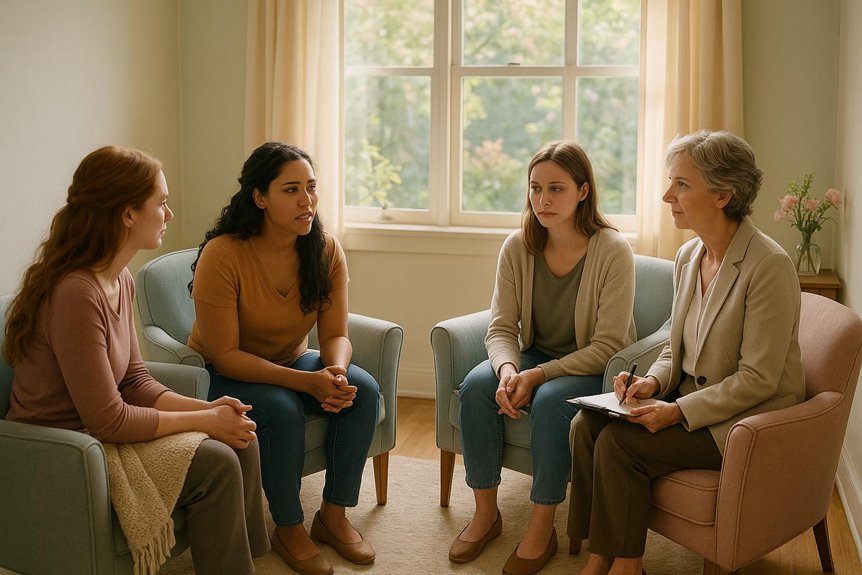
Inpatient rehab for women offers a unique opportunity to address addiction through a gender-specific lens. You’ll find that these programs cater to the distinct challenges women face, like self-esteem issues and trauma. By focusing on these areas, you can foster emotional resilience and healthier coping mechanisms. With trauma-informed care and community connections, you're not just healing—you're empowering yourself for long-term recovery. Curious about how this approach transforms lives?
Understanding Women’s Unique Needs in Addiction Recovery
When it comes to addiction recovery, understanding women’s unique needs is essential for effective treatment. You’ll find that self-esteem issues often intertwine with addiction, affecting body image and life balance.
Relational dynamics play a significant role, as women frequently juggle motherhood challenges while managing stigma awareness. Building emotional resilience is vital, allowing you to develop healthier coping mechanisms.
Fostering holistic wellness means considering all aspects of your life, including mental, emotional, and physical health. Enhancing communication skills empowers you to express needs and boundaries clearly, creating a supportive environment for recovery.
The Benefits of Gender-Specific Rehab Programs
Although gender-specific rehab programs mightn't be the first solution that comes to mind, they offer distinct advantages that can greatly enhance recovery outcomes.
By focusing on gender dynamics, these programs create a supportive environment where you can explore issues unique to women. You’ll find it easier to connect with others facing similar challenges, fostering community and understanding.
Research shows that women often progress through recovery milestones differently from men.
Gender-specific programs tailor their approach to your needs, ensuring you receive the most effective care. With specialized support, you’re empowered to address not only addiction but also underlying factors like trauma or societal pressures.
Ultimately, this targeted approach helps you build a solid foundation for long-term recovery.
Boosting Mental Health in Women’s Rehab
By fostering empowering support networks, you’re not just receiving care but also building connections that enhance resilience and recovery.
Evidence shows that when you’re supported by these personalized strategies and communities, your mental health can greatly improve.
Ready to Find Treatment? We Can Help.
Our treatment specialists can help you find the right inpatient drug or alcohol rehab program. Free, confidential, 24/7.
Get Help Today: (866) 469-0954Tailored Therapeutic Approaches
Recognizing the unique mental health needs of women in rehab is fundamental to their recovery journey. You’ll find that tailored therapeutic approaches are essential.
Holistic therapies, like yoga and meditation, address emotional and physical well-being, promoting a balanced recovery. These therapies help you connect mind and body, fostering self-awareness and resilience.
Family involvement plays a significant role, too. By including loved ones, you create a supportive environment, enhancing communication and trust. This approach acknowledges that women often face distinct challenges, such as trauma and societal pressures.
An evidence-based, empathetic framework guarantees that your treatment is both thorough and personalized. By focusing on these strategies, you’re empowered to heal and rediscover your strength on your recovery path.
Empowering Support Networks
When building empowering support networks in women’s rehab, you’ll discover they’re essential for boosting mental health.
Creating a nurturing environment involves more than just being present; it’s about fostering genuine connections. Supportive friendships and mentorship programs provide the backbone, while collaborative activities encourage shared experiences.
Peer counseling allows for personal growth, and family involvement strengthens bonds.
- Supportive friendships: Build trust and understanding.
- Mentorship programs: Guide personal development.
- Collaborative activities: Enhance group dynamics and teamwork.
- Peer counseling: Foster empathy and emotional resilience.
- Family involvement: Encourage accountability and healing.
Trauma-Informed Care in Women’s Rehab
In understanding trauma's impact, it's vital to recognize how past experiences shape emotional and physical responses.
You can create a safe environment by fostering trust, ensuring privacy, and promoting open communication.
This approach supports healing and empowers women to engage fully in their recovery journey.
Understanding Trauma's Impact
Although often overlooked, trauma greatly impacts women's recovery journeys, making trauma-informed care essential in rehab settings. Understanding different trauma types helps tailor treatment to individual needs, fostering emotional resilience and effective coping mechanisms.
Women often face unique psychological effects, requiring a nuanced approach to healing processes. Recognizing trauma triggers is vital for preventing setbacks. Evidence shows that supportive environments bolster recovery journeys by integrating strong support systems.
- Trauma Types: Identify specific traumas to personalize care.
- Emotional Resilience: Build strength to face recovery challenges.
- Coping Mechanisms: Develop healthy strategies for managing stress.
- Psychological Effects: Address mental health impacts with sensitivity.
- Support Systems: Create networks to provide ongoing encouragement.
Creating Safe Environments
Understanding trauma's impact paves the way for creating safe environments in women's rehab. You need to cultivate emotional safety and a nurturing atmosphere. This isn't just about physical spaces; it's about fostering trust and building comfort zones. A supportive environment is vital for recovery sanctuaries, where healing environments empower women to overcome challenges.
| Key Elements | Importance |
|---|---|
| Safe Spaces | Encourages open expression and vulnerability |
| Emotional Safety | Builds trust, essential for trauma recovery |
| Supportive Environments | Promotes resilience and sustained healing |
Creating Community in Women’s Rehab
When starting on the journey of recovery, the sense of belonging in a supportive community can be transformative.
Engaging in a women’s rehab program, you’ll find community bonding through shared experiences and emotional connections. Peer support is essential, fostering open dialogue and trust building.
Group activities create meaningful social interactions, while empowerment circles encourage friendship development.
- Community bonding: Connect over shared experiences and challenges.
- Emotional connections: Develop strong, supportive relationships.
- Peer support: Lean on others who understand your journey.
- Open dialogue: Foster trust and honesty in conversations.
- Empowerment circles: Participate in groups that uplift and inspire.
Personalized Strategies for Sustained Recovery
Embracing personalized strategies for sustained recovery means crafting a plan that aligns with your unique needs and goals.
Personalized therapy focuses on understanding your specific challenges and strengths, ensuring that every session addresses what truly matters to you. By integrating holistic approaches, you’re not just treating symptoms but nurturing your entire well-being—mind, body, and spirit.
Research shows that such tailored care greatly boosts long-term recovery success. You’ll engage in therapies that may include mindfulness practices, nutrition guidance, and physical activities, all designed to enhance your resilience.
This thorough approach helps you build a robust foundation, empowering you to manage triggers and maintain balance.
Selecting the Best Women’s Rehab
How do you choose the best women’s rehab that truly meets your needs? Start by focusing on what’s most important for your recovery journey. Consider these key factors:
Choosing the best women's rehab involves prioritizing key recovery needs for a personalized journey.
- Program Features: Look for specialized services that address women-specific issues.
- Admission Criteria: Confirm you meet the requirements for entry, making the process smoother.
- Treatment Modalities: Explore different approaches like cognitive-behavioral therapy or holistic options.
- Funding Options: Check if insurance covers costs or if there are flexible payment plans.
- Family Involvement: Choose a program that includes family therapy to strengthen support systems.
Also, think about location considerations, duration flexibility, and aftercare planning to guarantee a thorough and supportive environment.
Your path to recovery is unique, and selecting the right rehab is essential.