Inpatient Drug Rehab for Seniors and Older Adults
Tru Addiction Health Staff
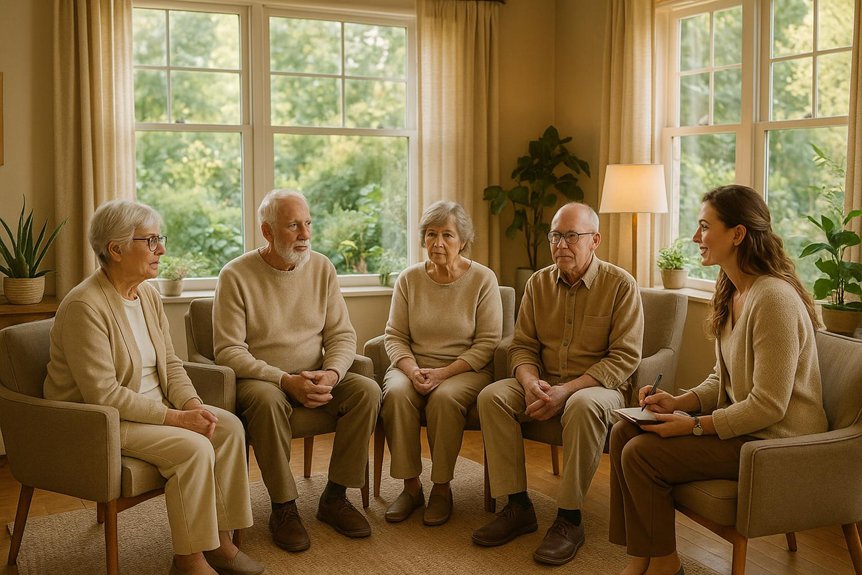
You're considering inpatient drug rehab for seniors, a decision that acknowledges the complex challenges faced by older adults. With age-related health issues and potential cognitive decline, it's essential to address addiction through specialized care. This approach combines medical expertise with compassionate therapy, fostering a supportive community. Imagine empowering older adults to regain control of their lives, addressing both addiction and mental health. But how does this transformative process unfold?
Challenges Seniors Face With Addiction
Although addiction can impact anyone, seniors encounter unique challenges that require careful consideration. You might face senior stigma, where society assumes addiction is a younger person’s problem. This misconception can lead to underdiagnosis and inadequate support.
Addiction misconceptions can lead to underdiagnosis and inadequate support for seniors facing unique challenges.
It’s essential to dispel these addiction misconceptions and recognize that substance use disorders don’t discriminate by age.
You may also grapple with age-related physiological changes that make addiction more complex. Medications prescribed for chronic conditions can interact with substances, complicating your recovery journey.
Social isolation, often experienced by seniors, might exacerbate these issues, making it harder to seek help. Understanding these unique hurdles is important for effective treatment.
Acknowledging the realities of senior addiction can pave the way for compassionate and tailored care.
Why Inpatient Rehab Works for Older Adults
Recognizing the unique challenges seniors face with addiction is just the beginning. Inpatient rehab works for older adults because it provides a structured environment tailored to their specific needs.
You’ll find that cognitive therapy plays an essential role in reshaping thought patterns and behaviors, helping you gain control over addiction.
Additionally, holistic approaches address the mind-body connection, ensuring thorough care. Techniques such as meditation, yoga, and nutritional counseling can enhance physical health and emotional well-being.
This multifaceted strategy fosters a supportive community where you can connect with peers facing similar struggles, reducing feelings of isolation.
With a focus on compassionate, individualized care, inpatient rehab offers a path to recovery that respects your life experiences and promotes lasting change.
Common Addiction Challenges for Seniors
Many seniors face unique challenges when dealing with addiction, often intertwined with age-related health issues. Social isolation can exacerbate late onset addiction, as loneliness may drive substance use.
Seniors often struggle with addiction, compounded by health issues and loneliness driving substance use.
Cognitive decline complicates self-awareness and decision-making, making recognition of addiction difficult. Limited mobility restricts access to treatment facilities, while stigma challenges discourage seeking help.
Medication interactions present additional risks, as prescribed drugs might conflict with substances, worsening health issues. Financial barriers limit treatment options, as fixed incomes often can’t cover rehab costs.
Additionally, healthcare access can be inconsistent, delaying necessary interventions. It’s essential to address these complexities with empathy and understanding, ensuring that seniors receive the support they need to navigate these obstacles and achieve recovery.
Medical Care Tailored to Aging Bodies
In addressing the unique needs of seniors in rehab, you’ll find that specialized medication management is essential to prevent adverse interactions and guarantee efficacy.
Support for chronic conditions, like diabetes or hypertension, is integrated into care plans, providing thorough treatment.
Additionally, age-appropriate physical therapy helps maintain mobility and promotes overall well-being, enhancing recovery outcomes.
Specialized Medication Management
Though aging bodies present unique challenges, specialized medication management in inpatient drug rehab guarantees seniors receive the precise care they need.
You’ll benefit from tailored strategies focusing on medication adherence and dosage adjustments, essential for mitigating withdrawal symptoms and managing substance interactions.
Geriatric assessments help form therapeutic alliances, making certain your mental health is prioritized through holistic approaches and pain management techniques.
Expert clinicians provide medication education, empowering you to understand your treatment plan fully.
This all-encompassing approach supports your overall well-being, addressing both physical and psychological needs.
Ready to Find Treatment? We Can Help.
Our treatment specialists can help you find the right inpatient drug or alcohol rehab program. Free, confidential, 24/7.
Get Help Today: (866) 469-0954- Medication adherence guarantees consistent treatment progress.
- Therapeutic alliances foster trust and personalized care.
- Holistic approaches integrate mental and physical health strategies.
These elements create an environment where you can thrive and recover confidently.
Chronic Condition Support
Addressing chronic conditions in seniors requires a nuanced approach, as aging bodies often face complex medical challenges. You’ll need to manage chronic pain and cognitive decline carefully, considering how medication interactions can impact overall health.
Lifestyle adjustments are essential, especially when social isolation and transportation issues limit access to community resources. Explore solutions for nutrition challenges, ensuring a balanced diet supports both physical and emotional resilience.
Financial concerns often complicate care, demanding strategic planning to access necessary treatments. By understanding these unique needs, you can tailor interventions that acknowledge the holistic experience of aging.
Engage with available community resources to alleviate transportation and support challenges, fostering an environment where seniors can thrive despite their chronic conditions.
Age-Appropriate Physical Therapy
Seniors dealing with chronic conditions often benefit from specialized physical therapy that respects the aging body’s nuances.
Age-appropriate therapy includes therapeutic activities designed to enhance age-related mobility and promote overall well-being. You’ll undergo fitness assessments to tailor rehabilitation goals, guaranteeing personalized care.
Balance training and strength exercises are key components, addressing both stability and muscle resilience. Pain management techniques are integrated to alleviate discomfort, while cognitive stimulation helps maintain mental acuity.
Adaptive techniques support your unique needs, guiding you toward recovery milestones.
- Balance Training: Improve stability with targeted exercises.
- Strength Exercises: Build muscle resilience and support.
- Adaptive Techniques: Customize approaches for personal recovery.
This empathetic approach guarantees your therapy is as effective and supportive as possible.
Caring for Seniors' Emotional Health
When caring for seniors in inpatient drug rehab, their emotional well-being is just as vital as their physical recovery. You need to focus on building emotional resilience through personalized therapy options.
Addressing loneliness factors is significant, so explore coping strategies that enhance interaction and connection. Encourage joining support networks to mitigate isolation and enhance well-being.
Mindfulness practices and holistic approaches can help manage grief issues and reduce stress. Be aware of stigma challenges that might affect participation in therapy.
Strengthen communication skills to foster open dialogue and trust. By integrating these elements, you support their overall recovery and emotional health.
Tailoring care to meet these needs guarantees a thorough approach, promoting both healing and emotional stability.
How Peer Support Empowers Older Adults
Building on the foundation of emotional resilience and holistic care, peer support plays a vital role in empowering older adults within inpatient drug rehab.
You’ll find that peer connections foster mutual understanding and trust building. Through shared experiences, seniors engage in social engagement and group activities, enriching their recovery journey.
As accountability partners, they support each other’s growth, creating a network of wisdom sharing and mentorship roles.
- Peer Connections: Develop trust and mutual understanding.
- Shared Experiences: Enhance emotional resilience through group activities.
- Mentorship Roles: Encourage wisdom sharing and accountability.
These elements are essential, providing a supportive environment where you can thrive.
Embracing peer support not only strengthens personal recovery but also builds a community grounded in empathy and shared purpose.
Creating a Compassionate Rehab Environment
In creating a compassionate rehab environment, you'll find that personalized care approaches are vital for addressing the unique needs of seniors.
By integrating robust emotional support systems, you guarantee that each individual feels understood and valued throughout their recovery journey.
These strategies foster a sense of safety and belonging, which is key for effective rehabilitation.
Personalized Care Approaches
Crafting a compassionate rehab environment starts with understanding each senior's unique needs and experiences. You’ll benefit from individualized plans that incorporate holistic therapies and mindfulness practices to promote healing.
Engaging activities tailored to your interests enhance life skills and foster meaningful social interactions. Nutritional support guarantees your body is well-nourished, providing the energy needed for recovery.
By focusing on personalized approaches, you’ll develop effective coping strategies that align with your lifestyle and preferences. This empathetic, expert-driven care encourages a sense of belonging and purpose.
- Holistic therapies enhance emotional and physical well-being.
- Engaging activities offer stimulation and joy.
- Social interactions create community and support.
These elements create a nurturing atmosphere where seniors can thrive in their recovery journey.
Emotional Support Systems
Although the journey to recovery can feel intimidating, fostering a robust emotional support system is vital for seniors in inpatient drug rehab. Building emotional resilience involves creating support networks through therapy groups and peer connections. Engaging family involvement and community engagement enhances holistic healing. It’s important to focus on coping strategies like mindfulness practices and social activities to strengthen emotional well-being.
| Element | Purpose | Benefit |
|---|---|---|
| Therapy Groups | Facilitate peer connections | Emotional resilience |
| Family Involvement | Strengthen support networks | Holistic healing |
| Social Activities | Encourage community engagement | Coping strategies |
Implementing these elements creates a compassionate environment, fostering connection and growth. By nurturing these relationships, seniors can navigate their recovery journey with greater confidence and support.
Life Experiences Shaping Treatment Approaches
Understanding the unique life experiences of seniors is essential for shaping effective treatment approaches in inpatient drug rehab. You need to reflect on how life changes and generational differences impact their coping mechanisms.
Many face social isolation or have a trauma history that influences their resilience factors. Treatment must acknowledge cultural influences and familial relationships, as seniors might experience lifestyle shifts affecting their support networks.
Incorporating these elements can make therapy more personalized and effective:
- Life changes: Addressing retirement or loss can reshape recovery strategies.
- Cultural influences: Understanding heritage can enhance empathy and connection.
- Support networks: Strengthening connections may mitigate feelings of isolation.
Family Support in Senior Recovery
Recognizing the unique life experiences of seniors guides the development of tailored treatment strategies. Family support plays a pivotal role in recovery, enhancing emotional resilience and relationship rebuilding. By understanding family dynamics and employing effective communication strategies, you can foster supportive environments.
| Aspect | Importance |
|---|---|
| Caregiver Involvement | Encourages trust and safety |
| Support Networks | Strengthens emotional ties |
| Family Education | Promotes informed support |
Involve caregivers actively in the process, ensuring they understand recovery needs. Shared experiences create collaborative recovery, allowing families to grow together. Prioritize family education to equip everyone with the tools needed for success. Building these support networks transforms the healing journey, reinforcing the bonds essential for sustained recovery.
Managing Health Complexities in Rehab
Consider these key elements:
- Comprehensive Assessments: Regular evaluations guarantee treatment plans are tailored to individual needs.
- Integrated Care Plans: Collaborate with multidisciplinary teams to address overlapping medical and addiction issues.
- Continuous Support Systems: Establish robust networks to facilitate seamless health shifts and sustained recovery.
Success Stories: Seniors Beating Addiction
Even though addiction can present unique challenges for seniors, their stories of triumph serve as powerful reminders of resilience and hope. These success narratives highlight the transformative power of inpatient rehab.
You’ll find that recovery journeys often involve overcoming physical and emotional hurdles, requiring tailored treatment approaches. Seniors bring a wealth of life experience, which can be harnessed to foster strong coping mechanisms.
In many cases, a supportive environment and expert guidance help seniors reclaim their lives. You might see how individualized therapies and peer support play essential roles.
The courage and determination displayed in these stories inspire others, proving that age is no barrier to recovery. By embracing change, seniors can achieve lasting sobriety and renewed purpose.
Choosing the Right Inpatient Rehab Program
When selecting an inpatient rehab program for seniors, it’s vital to evaluate specific needs and preferences. Start by considering rehab program features that cater to older adults. Look for facilities offering tailored therapies, as these provide personalized care fundamental for effective recovery.
Prioritize programs with a compassionate approach, understanding the unique challenges seniors face.
Consider these factors:
- Specialized Staff: Confirm experienced professionals are equipped to handle age-related issues.
- Therapeutic Environment: Opt for settings that promote comfort and safety, enhancing the healing process.
- Custom Care Plans: Choose programs that design individualized treatment strategies, addressing specific health conditions and preferences.
Rising Demand for Senior-Specific Care
As the population ages, the demand for senior-specific care in inpatient drug rehab programs is rapidly increasing. You’ll notice that senior demographics are shifting, with more older adults facing addiction challenges. This isn’t just about numbers; it’s about understanding unique addiction trends in this age group.
Seniors often struggle with prescription medication dependency or alcohol misuse, requiring tailored interventions. Clinicians are now focusing on age-appropriate therapies, recognizing the complex interplay of chronic health conditions and mental health issues.
You’ll find that compassionate, individualized care is essential. By addressing these specific needs, rehab programs can greatly enhance recovery outcomes.