How to Find Inpatient Drug Rehab Near You
Tru Addiction Health Staff
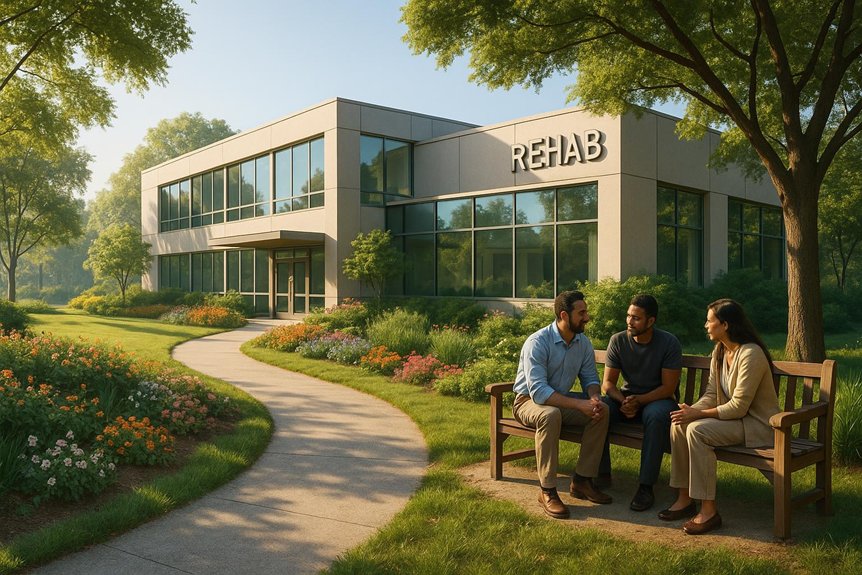
Finding inpatient drug rehab near you can seem intimidating, but it's an essential step toward recovery. Start by exploring local resources, including community health organizations and online directories like SAMHSA’s treatment locator. Consider what you need regarding emotional support and any co-occurring conditions. Evaluating facilities based on location, staff qualifications, and success rates will guide you. Discover how these steps can lead you to the right program and support system.
Researching Local Rehab Centers
How do you find the right inpatient drug rehab center near you? Start by tapping into local resources. Reach out to community health organizations or local hospitals—they often have valuable insights and recommendations. Don’t hesitate to ask for guidance; they’re there to help.
Next, explore online directories tailored to rehab facilities. Websites like SAMHSA’s treatment locator provide detailed listings of centers in your area. These directories often include reviews and ratings, helping you make informed choices.
Additionally, consider joining online support groups or forums. Fellow members can share personal experiences and suggestions, offering firsthand insights.
Identifying Your Treatment Needs
When considering inpatient drug rehab, precisely identifying your treatment needs is crucial. Start by evaluating your personal readiness for change. Are you mentally prepared to commit to a program? Understanding your willingness to engage in therapy will guide your choice.
Next, assess the level of emotional support you require. Do you need a facility that offers intensive counseling or one that focuses on holistic approaches?
Evaluate your need for emotional support: intensive counseling or holistic approaches?
Think about any co-occurring conditions that may need attention, such as anxiety or depression. Tailor your search to programs that address these issues alongside addiction treatment.
Recognize what's and hasn’t worked in the past. This clarity guarantees that the rehab you choose aligns with your unique situation, enhancing the effectiveness of your recovery journey.
Evaluating Facilities: Location, Staff, and Success Rates
When choosing an inpatient drug rehab, consider its proximity to guarantee accessibility and support from loved ones.
You’ll want a facility with qualified, experienced staff who can provide compassionate care.
Additionally, checking the success rates will give you confidence in the treatment outcomes.
Proximity and Accessibility
While selecting an inpatient drug rehab facility, proximity and accessibility play crucial roles in your recovery journey. You’ll want a location that leverages local resources and community support.
Consider the transportation options available, including public transport, which can ease travel considerations for you and your loved ones. Assess the neighborhood safety to guarantee a secure environment.
Evaluate key factors:
- Nearby Amenities: Access to pharmacies, grocery stores, and other essentials enhances your experience.
- Accessibility Features: Confirm the facility accommodates any mobility needs you might have.
- Travel Considerations: Distance from home affects visitor frequency and your comfort in the setting.
Focus on these elements to find a facility that truly supports your path to recovery.
Qualified and Experienced Staff
Selecting an inpatient drug rehab facility isn't just about location; the expertise of the staff is equally important. You'll want a team with strong staff qualifications and treatment credentials to provide the best care. Look for licensed therapists, certified addiction counselors, and experienced medical personnel. They should have a proven track record in addiction treatment and the ability to tailor programs to individual needs.
Ready to Find Treatment? We Can Help.
Our treatment specialists can help you find the right inpatient drug or alcohol rehab program. Free, confidential, 24/7.
Get Help Today: (866) 469-0954| Criteria | Importance |
|---|---|
| Staff Qualifications | Guarantees experienced, skilled care |
| Treatment Credentials | Validates specialized expertise |
| Personalized Approach | Matches treatment to your needs |
Choosing a facility with qualified and experienced staff can make a significant difference in your recovery journey. It's essential to ask questions about their training and how they stay updated with the latest treatment methodologies.
Measuring Treatment Outcomes
How can you guarantee a rehab facility truly supports your recovery journey? Start by looking at their outcome metrics. These numbers reveal how effective their programs are in fostering long-term sobriety.
But don't stop there. Patient feedback is invaluable. Hearing from those who've completed the program can provide insight into the facility's environment and support.
Consider these key factors:
- Outcome Metrics: Check success rates and longevity of recovery among former patients.
- Patient Feedback: Read reviews and testimonials to understand personal experiences.
- Staff Qualifications: Confirm personnel aren't only certified but also compassionate.
What Inpatient Rehab Offers
Inpatient rehab offers a structured environment where you can focus entirely on recovery without distractions.
You'll benefit from holistic therapies that address not just the physical aspects of addiction, but also the mental and emotional ones. These therapies might include yoga, meditation, or art therapy, all designed to support your overall well-being.
Group sessions play an essential role in your treatment, allowing you to share experiences and gain support from peers who understand your journey.
These interactions can foster a sense of community and reduce feelings of isolation. With professional guidance, you’ll work through challenges in a supportive setting.
Inpatient rehab provides the tools and support you need to rebuild your life, helping you regain control and move towards lasting recovery.
Which Treatment Programs Suit Your Needs?
Finding the right treatment program is key to a successful recovery journey. You need to evaluate your individual preferences and the treatment modalities that resonate with you.
What works for someone else mightn't work for you, so it’s essential to explore different options.
Here’s what to look for:
- Holistic Approaches: If you value a mind-body connection, seek programs offering yoga, meditation, or art therapy.
- Evidence-Based Practices: For those who prefer scientifically validated methods, look for Cognitive Behavioral Therapy (CBT) or Medication-Assisted Treatment (MAT).
- Peer Support: If community matters to you, assess programs emphasizing group therapy or support groups.
Consulting With Healthcare Professionals
When starting your recovery journey, consulting with healthcare professionals is an essential step. They offer expertise and empathy, ensuring you receive personalized guidance.
The consultation benefits include a thorough assessment of your specific needs and the creation of a tailored treatment plan. Professionals understand the complexities of addiction and can provide invaluable insights into the most effective inpatient rehab options.
Thorough assessments and personalized treatment plans are key to effective recovery with professional insights into rehab options.
Healthcare referrals add another layer of support, connecting you with trusted facilities that align with your circumstances. These referrals often come from doctors, therapists, or counselors familiar with your situation, enhancing your chances of successful recovery.
Don’t hesitate to reach out and ask questions—engaging with healthcare professionals sets a strong foundation for your path to healing.
Understanding Insurance and Payment Options
Steering through insurance and payment options for inpatient rehab can feel overwhelming, but understanding your choices makes it manageable.
Start by verifying what your insurance covers and explore available payment plans to ease the financial burden.
If needed, consider financial assistance programs that can help make treatment more accessible.
Coverage Verification Process
- Contact your insurance provider to explore coverage types.
- Confirm eligibility criteria for your specific plan.
- Communicate with the facility to verify acceptance and billing.
This proactive approach will streamline your rehab journey.
Payment Plan Options
After ensuring your insurance coverage, it's important to understand the payment plan options available for inpatient drug rehab. Steering through these options with clarity can ease your financial concerns.
Many rehab centers offer payment flexibility, allowing you to spread costs over time. Check if they provide financing options that align with your budget. It's essential to ask about interest rates and terms to avoid unexpected expenses.
Communicate openly with the financial department to find a plan that suits your situation. If insurance doesn't cover everything, inquire about partial payments or sliding scale fees based on income.
Financial Assistance Programs
When starting on the journey of inpatient drug rehab, understanding financial assistance programs can greatly ease your burden.
Maneuvering insurance and payment options might seem intimidating, but there are resources to help you. First, check if your insurance covers rehab services. Many policies do, but the specifics can vary.
Consider these options:
- Scholarship opportunities: Some rehab centers offer scholarships to help cover costs. Inquire directly with facilities to see if you qualify.
- Community resources: Local organizations may provide grants or financial aid for treatment. Reach out to community health centers for guidance.
- Sliding scale fees: Some programs adjust fees based on your income, making rehab more affordable.
Preparing for Admission: What to Expect
What can you expect when preparing for admission to an inpatient drug rehab? First, understand the admission process. You’ll complete paperwork, undergo assessments, and discuss your treatment plan.
It’s essential to gather your medical history and any necessary documents in advance.
Emotional readiness is also key. This journey involves change, and it’s normal to feel a mix of anxiety and hope. Reach out to counselors or support groups to express your thoughts and concerns.
Pack essentials like comfortable clothing and personal items, but remember, facilities have rules about what you can bring.
Finally, coordinate logistics—inform work or family, and arrange transportation. Knowing what to expect reduces stress, allowing you to focus on your recovery journey.