How Drug and Alcohol Addiction Affects the Brain
Tru Addiction Health Staff
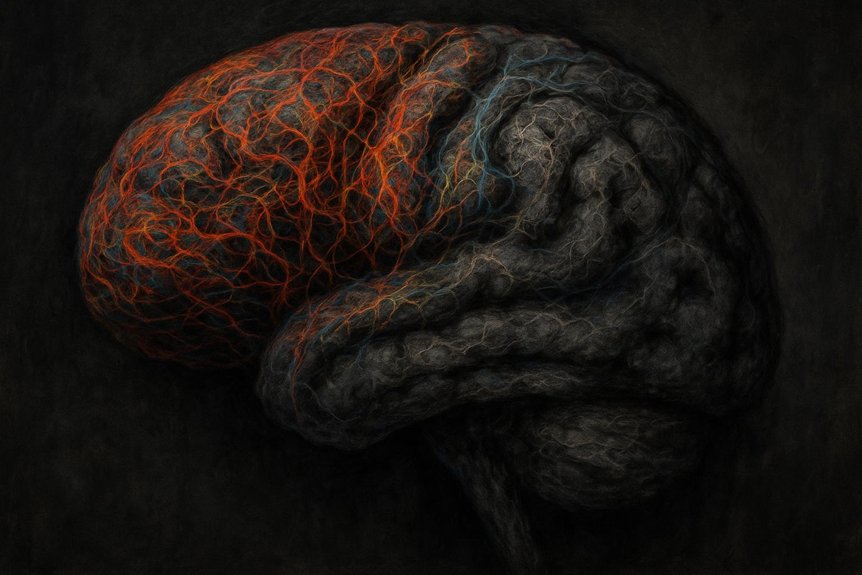
You’ll discover that drug and alcohol addiction fundamentally alters brain function by commandeering the brain's reward system. This manipulation leads to neurotransmitter imbalances, especially involving dopamine, which heightens cravings and reduces sensitivity to natural rewards. As structural changes impair cognitive abilities and emotional regulation, the cycle of addiction deepens. Understanding these processes is vital for grasping why recovery efforts are complex and why targeted interventions are essential. Curious about how these changes shape behavior?
The Brain's Reward System and Addiction
The brain's reward system, a complex network of neural pathways, plays a pivotal role in addiction.
You’ll find that brain plasticity allows for changes in these pathways, influencing addiction resilience and reward sensitivity. Genetic predisposition and early exposure can heighten vulnerability, while environmental triggers and social factors further complicate emotional regulation.
Brain plasticity reshapes pathways, affecting addiction resilience; genetics and environment intensify vulnerability and emotional challenges.
Coping mechanisms, often inadequate, can lead to maladaptive behaviors. Therapy approaches target these neural adaptations, aiming to restore balance and enhance resilience.
Understanding your brain's reward system can help identify how these factors interact, offering insights into personalized treatment strategies.
How Dopamine Drives Pleasure and Addiction
You’ll find that dopamine acts as a critical driver in the brain's reward system, reinforcing behaviors by signaling pleasure.
When there's a neurotransmitter imbalance, it can lead to intensified cravings, pushing you toward addictive behaviors.
Understanding dopamine's role helps explain why addiction can hijack your brain's natural reward pathways.
Dopamine's Role in Reward
Dopamine plays a pivotal role in the brain's reward system, acting as a neurotransmitter that signals pleasure and motivation. When you experience something enjoyable, dopamine receptors in the reward pathways activate, reinforcing substance use and influencing addiction mechanisms. This process involves brain plasticity, where neuroadaptive changes alter reward circuits, enhancing addiction vulnerability.
| Concept | Explanation | Impact on Addiction |
|---|---|---|
| Dopamine Signaling | Neurotransmitter release in reward pathways | Reinforces behaviors |
| Reward Prediction | Anticipating pleasure response | Drives substance use |
| Neurobiological Factors | Genetic and environmental influences | Increase vulnerability |
| Behavioral Conditioning | Learned response to stimuli | Enhances reinforcement |
Dopamine signaling deficiencies can lead to motivational deficits and reward deficiency, affecting pleasure response. Understanding these neurobiological factors in addiction neuroscience helps unravel the complex behavioral conditioning underlying addiction.
Neurotransmitter Imbalance and Cravings
Exploring further into the brain's reward system reveals how neurotransmitter imbalances contribute to cravings and addiction. When dopamine levels surge, you experience pleasure, but repeated substance use causes neurotransmitter fluctuations, disrupting this balance.
Here's how it unfolds:
- Dopamine Release: Drugs trigger excessive dopamine release, creating intense pleasure.
- Receptor Sensitivity: Over time, receptors become less sensitive, requiring more substance to achieve the same effect.
- Cravings Triggers: External cues (like environments) stimulate neurotransmitter release, intensifying cravings.
- Cycle of Addiction: Imbalances perpetuate a cycle where more substance is needed, reinforcing addiction.
Understanding these mechanisms highlights how neurotransmitter imbalance and cravings triggers are central to addiction's grip on the brain.
How Substance Use Alters Brain Chemistry
When substances enter the body, they initiate a cascade of chemical changes in the brain that can greatly alter its function. This substance interaction disrupts brain chemistry, leading to neuroadaptive changes. These changes can create addiction triggers, making recovery pathways challenging.
As substances alter neurotransmitter levels, withdrawal symptoms emerge, reflecting the brain's struggle to regain balance. Your brain’s resilience is tested by these alterations, influenced by psychological effects and environmental stressors.
Therapeutic approaches aim to restore brain chemistry, helping it adapt and recover. By understanding these changes, you can appreciate the complexity of addiction and the importance of tailored interventions. Addressing the root causes and fostering brain resilience are vital for overcoming the profound impact of substance use.
Emotional Shifts Explained
You’ll notice that addiction causes significant neurochemical imbalances, directly impacting mood regulation.
These imbalances interfere with the brain's ability to manage emotions, leading to unpredictable emotional responses.
Understanding these disruptions offers insight into the complex emotional shifts experienced during addiction.
Neurochemical Imbalance Impact
While the brain's intricate network of chemicals maintains emotional stability, addiction disrupts this balance, leading to significant emotional shifts. Neurotransmitter regulation becomes impaired, affecting how you experience pleasure, stress, and motivation. Understanding the impact involves recognizing:
- Dopamine Alteration: Addiction elevates dopamine levels, creating artificial highs and reducing natural production, impacting brain plasticity.
- Serotonin Disruption: This can lead to anxiety and depression, as serotonin levels fluctuate unpredictably.
- Glutamate Imbalance: Key in learning and memory, glutamate dysregulation affects your ability to process information.
- GABA Changes: With addiction, GABA levels often decrease, leading to heightened anxiety and stress responses.
These chemical shifts underscore the profound impact addiction has on emotional health and cognitive functions.
Mood Regulation Disruption
Addiction's disruption of neurochemical balance extends to mood regulation, fundamentally altering emotional responses. You might experience mood swings due to fluctuating serotonin levels, which are vital for stabilizing emotions.
This instability challenges your emotional resilience, making it harder to manage stress effectively. There's often an anxiety correlation, where heightened anxiety further complicates emotional control.
To combat this, adopting coping strategies becomes essential. Integrating mindfulness practices and therapeutic interventions can enhance emotional stability.
Ready to Find Treatment? We Can Help.
Our treatment specialists can help you find the right inpatient drug or alcohol rehab program. Free, confidential, 24/7.
Get Help Today: (866) 469-0954Social support plays an important role, providing a buffer against emotional upheavals. Lifestyle changes, such as regular physical activity and balanced nutrition, support serotonin production and stress management.
Emotional Response Alterations
When addiction alters emotional responses, it disrupts the brain's ability to process emotions accurately. You may find your emotional resilience weakened, making it difficult to handle stress and environmental stressors.
Psychological trauma can intensify, leading to mood swings and unpredictable emotional regulation. Here’s how addiction affects emotional responses:
- Behavioral Triggers: Addiction heightens sensitivity to triggers, impacting emotional stability.
- Coping Mechanisms: You might struggle to develop healthy coping mechanisms, leading to increased stress response.
- Social Isolation: Emotional shifts can cause withdrawal from social interactions, affecting relationship dynamics.
- Mood Swings: Frequent shifts in mood may result from impaired emotional regulation, complicating emotional resilience.
Addressing these changes is vital to restoring balance and improving psychological well-being.
How Addiction Changes Behavior
As addiction takes hold, it profoundly alters behavior by hijacking the brain's reward system. You may notice behavioral triggers leading to impulsive decisions, impacting relational dynamics and lifestyle changes. Addiction progression often results in emotional coping mechanisms that aren't healthy, affecting your ability to respond to stress. This can escalate risk-taking behavior, creating significant social consequences.
| Behavioral Aspect | Impact |
|---|---|
| Behavioral Triggers | Impulsive Decisions |
| Addiction Progression | Emotional Coping |
| Social Consequences | Relational Dynamics |
| Lifestyle Changes | Psychological Effects |
| Stress Responses | Risk-Taking Behavior |
These changes reshape your psychological landscape, often making it challenging to navigate daily interactions. As the addiction deepens, these effects compound, altering your fundamental behavior and how you engage with the world around you.
Cognitive Effects of Addiction
Understanding addiction's impact on behavior lays the groundwork for examining its cognitive effects. When you're dealing with addiction, several cognitive functions can be compromised:
- Cognitive Decline: You'll notice a reduction in mental flexibility and problem-solving abilities.
- Memory Impairment: Short-term and long-term memory can suffer, making it tough to retain new information.
- Attention Deficits: Maintaining focus is challenging, impacting your decision-making and impulse control.
- Learning Difficulties: Information processing slows, hindering your ability to learn new skills.
Addiction disrupts executive function, affecting your capacity for planning and organizing.
You'll find it harder to adapt to new situations, as mental flexibility diminishes. Addressing these cognitive issues is essential for recovery, as they play a significant role in sustaining addictive behaviors.
Why Addiction Makes Natural Rewards Less Appealing
Although addiction hijacks the brain's reward system, it makes natural rewards less appealing by altering dopamine pathways. When you engage in addictive behaviors, the brain's addiction mechanisms increase dopamine release, amplifying reward sensitivity to substances.
This heightened sensitivity diminishes the impact of natural rewards like food, social interactions, and exercise, which normally activate dopamine but at lower levels. Your brain adapts to these intense dopamine surges, recalibrating its reward threshold.
Consequently, natural stimuli can't compete, as they're perceived as less satisfying. This shift in reward sensitivity prioritizes addictive substances over everyday pleasures. You might find it challenging to derive joy from activities that once brought satisfaction, reinforcing the cycle of addiction and making recovery efforts more complex.
Long-Term Brain Changes From Addiction
You’ll notice that addiction leads to long-term changes in the brain, primarily through neurotransmitter imbalances that disrupt normal signaling.
These imbalances can alter brain structures, particularly in areas related to decision-making and impulse control.
As a result, you may experience impairments in cognitive functions, affecting memory, attention, and learning capabilities.
Neurotransmitter Imbalance Effects
Addiction fundamentally alters brain chemistry by disrupting neurotransmitter balance, leading to long-term changes. You’ll notice impacts on neurotransmitter diversity, affecting serotonin levels and GABA function, which are essential for mood and anxiety regulation.
Here’s how it manifests:
- Impulse Control: Imbalance hampers your ability to resist addiction triggers, undermining self-regulation.
- Emotional Stability: Disrupted endorphin release impacts mood, reducing brain resilience against stress.
- Neurotransmitter Recovery: Altered glutamate regulation complicates neurotransmitter recovery, prolonging dependence cycles.
- Cognitive Function: Impaired GABA function affects concentration and decision-making.
Addressing these imbalances is important for restoring brain function. By understanding these mechanisms, you can foster recovery and regain control over emotional and cognitive processes.
Altered Brain Structure
Understanding neurotransmitter imbalances provides insight into the persistent changes addiction imposes on brain structure. Chronic exposure to substances triggers neuroadaptive responses, leading to significant structural changes. Brain imaging reveals alterations in brain plasticity and neurodevelopmental impact, affecting cognitive resilience.
| Aspect | Impact | Intervention |
|---|---|---|
| Brain Plasticity | Reduced adaptability | Therapeutic interventions |
| Structural Changes | Rewired neural pathways | Targeted therapies |
| Neuroadaptive Responses | Altered function | Supportive strategies |
These changes aren’t just temporary; they shape the brain's architecture, complicating addiction recovery. Substance effects may diminish cognitive resilience, making it harder for the brain to revert to its pre-addiction state. By understanding these dynamics, you can better appreciate the challenges and potential pathways for therapeutic interventions in addiction recovery.
Cognitive Function Impairment
While the immediate effects of substance use might seem fleeting, the long-term cognitive impairments can be profound.
Addiction leads to cognitive decline, causing memory impairment and decision-making deficits. You may experience attention difficulties and reasoning challenges, affecting daily functionality.
Over time, executive dysfunction emerges, creating learning obstacles and reducing processing speed. Mental fatigue becomes prevalent, hindering your ability to retain information effectively.
Here’s how addiction impacts cognitive function:
- Memory Impairment: Struggles with recalling information and events.
- Attention Difficulties: Challenges in focusing and maintaining concentration.
- Decision Making Deficits: Poor judgment and problem-solving skills.
- Executive Dysfunction: Trouble with planning, organizing, and executing tasks.
Understanding these changes is essential for addressing and managing addiction's effects on the brain.
Genetic Factors in Addiction Risk
Though often overlooked, genetic factors play a significant role in an individual's susceptibility to addiction. You might've a genetic predisposition influenced by family history, where heritability factors become evident.
Twin studies reveal that identical twins show higher concordance rates for addiction, highlighting the impact of shared genes. The interplay of gene-environment interactions can amplify these risks.
Identical twins exhibit higher addiction concordance, underscoring the role of shared genetics and gene-environment interactions.
Specific genetic mutations and polygenic risk scores offer insights into potential vulnerabilities. Epigenetic influences can modify how genes express over time, further complicating the picture.
Biological markers, such as neurotransmitter levels, may indicate inherited traits that predispose you to addictive behaviors. Understanding these genetic components is essential in identifying those at risk and tailoring more effective prevention and treatment strategies.
Environmental Influences on Addiction
Environmental factors greatly shape the likelihood of developing addiction by interacting with genetic predispositions. Your social environment and the influences you encounter can markedly affect addiction risk.
Consider these key factors:
- Peer Influence: Friends and acquaintances can encourage substance use, creating pressure to conform.
- Family Dynamics: Family relationships and behaviors often model substance use, impacting your choices.
- Community Resources: Access to supportive resources or lack thereof can either prevent or exacerbate addiction.
- Economic Factors: Financial stressors impact susceptibility, often increasing vulnerability to substance misuse.
Cultural attitudes also play a vital role in normalizing or stigmatizing addiction.
Understanding these elements helps in devising effective support systems to mitigate risks and enhance recovery potential.
It’s important to recognize how each factor interplays in your environment.
The Cycle of Addiction and Dependency
Understanding the cycle of addiction and dependency reveals the intricate changes that substances induce in the brain. You face addiction triggers that alter behavioral patterns and challenge emotional resilience. Familial influences and social stigma compound the struggle, making recovery milestones harder to achieve. Withdrawal symptoms disrupt your life, creating obstacles to developing effective coping strategies. Treatment barriers can hinder your progress, yet support systems are essential in fostering recovery.
Here's a breakdown:
| Factor | Impact | Solution |
|---|---|---|
| Addiction Triggers | Alter behavior | Identify and manage |
| Withdrawal Symptoms | Disrupt daily life | Medical intervention |
| Familial Influences | Increase stress | Family therapy |
| Social Stigma | Hinders recovery | Awareness programs |
| Support Systems | Aid emotional resilience | Build strong networks |
Understanding these dynamics is key to steering through the cycle.
Challenges in Breaking Addiction
Breaking addiction presents numerous challenges due to the profound neurological changes substances cause in the brain. These changes make it difficult to overcome dependency, often requiring a multifaceted approach.
Key challenges include:
- Relapse Triggers: Identifying and managing triggers is essential. Stress, environmental cues, and emotional distress can lead to setbacks.
- Emotional Resilience: Building resilience helps in coping with cravings and setbacks. Mindfulness practices enhance this ability.
- Support Systems: Strong support systems, including family dynamics and community involvement, are critical for sustained recovery.
- Stigma Reduction: Overcoming societal stigma through personal stories and community efforts encourages acceptance and healing.
Therapy options offer structured coping strategies, while understanding personal stories promotes empathy.
Engaging with family dynamics and community involvement further supports recovery.
Tailored Treatment for Addiction Recovery
Although addiction affects everyone differently, tailored treatment plans greatly enhance recovery outcomes.
Personalized therapy targets your specific needs, integrating holistic approaches that consider both mind and body. Incorporate mindfulness practices to increase self-awareness and reduce cravings. Behavioral interventions such as motivational interviewing help you identify and change harmful patterns. Address co-occurring conditions through dual diagnosis to guarantee thorough care.
Group support fosters connection, providing a sense of community and shared experiences. Family involvement strengthens relationships, offering a support system vital for healing.
Aftercare planning is essential for sustaining recovery, focusing on relapse prevention strategies. Through these methods, you’re equipped with tools to navigate challenges, fostering long-term resilience and recovery. This tailored approach maximizes your potential for a successful recovery journey.
Emerging Trends in Addiction Treatment
As the landscape of addiction treatment evolves, innovative approaches are gaining traction, offering new hope for recovery. You’ll find that emerging trends emphasize personalized medicine and technology integration, ensuring treatments are tailored to individual needs.
Here’s what’s shaping the future:
- Innovative Therapies: New methods like mindfulness practices and behavioral interventions are enhancing traditional treatments.
- Holistic Approaches: By integrating community support and family involvement, treatment plans address the whole person, not just the addiction.
- Technology Integration: Digital tools and apps facilitate continuous care and remote monitoring, making recovery more accessible.
- Motivational Interviewing and Peer Support: These strategies empower individuals by fostering accountability and connection.